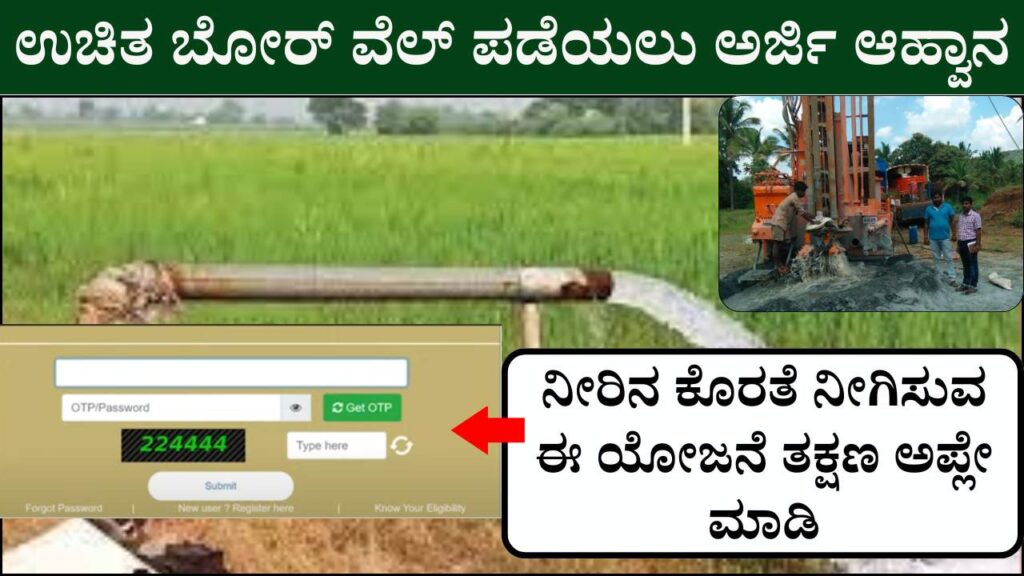
ಹಲೋ ಸ್ನೇಹಿತರೇ, ನೀರಾವರಿ ಸೌಲಭ್ಯಗಳನ್ನು ಒದಗಿಸಲು ಸರ್ಕಾರವು ವಿವಿಧ ರೀತಿಯ ಯೋಜನೆಗಳನ್ನು ಪ್ರಾರಂಭಿಸುತ್ತದೆ. ಈ ಯೋಜನೆಗಳ ಮೂಲಕ, ನೀರಾವರಿ ಸೌಲಭ್ಯಗಳನ್ನು ಒದಗಿಸಲು ಬೋರ್ವೆಲ್ಗಳು ಮತ್ತು ತೆರೆದ ಬಾವಿಗಳನ್ನು ಕೊರೆಯಲಾಗುತ್ತದೆ. ಸರ್ಕಾರದಿಂದ ಸಿಗುವ ಈ ಉಚಿತ ಸೌಲಭ್ಯವನ್ನು ಪಡೆಯುವುದು ಹೇಗೆ ಎಂಬುದನ್ನು ಲೇಖನದಲ್ಲಿ ತಿಳಿಯಿರಿ.

ಇತ್ತೀಚೆಗೆ ಕರ್ನಾಟಕ ಸರ್ಕಾರವು ಕರ್ನಾಟಕ ಗಂಗಾ ಕಲ್ಯಾಣ ಯೋಜನೆಯನ್ನು ಪ್ರಾರಂಭಿಸಿದೆ. ಈ ಯೋಜನೆಯ ಮೂಲಕ, ಸರ್ಕಾರವು ಕೊಳವೆ ಬಾವಿಗಳನ್ನು ಅಥವಾ ಪಂಪ್ಗಳೊಂದಿಗೆ ತೆರೆದ ಬಾವಿಗಳನ್ನು ಕೊರೆಯಲು ಹೊರಟಿದೆ. ಈ ಲೇಖನವು ಕರ್ನಾಟಕ ಗಂಗಾ ಕಲ್ಯಾಣ ಯೋಜನೆಯ ಎಲ್ಲಾ ಪ್ರಮುಖ ಅಂಶಗಳನ್ನು ಒಳಗೊಂಡಿದೆ .
Contents
ಕರ್ನಾಟಕ ಗಂಗಾ ಕಲ್ಯಾಣ ಯೋಜನೆ 2024
ಕರ್ನಾಟಕ ಅಲ್ಪಸಂಖ್ಯಾತರ ಅಭಿವೃದ್ಧಿ ನಿಗಮವು ಕರ್ನಾಟಕ ಗಂಗಾ ಕಲ್ಯಾಣ ಯೋಜನೆಯನ್ನು ಪ್ರಾರಂಭಿಸಿದೆ. ಈ ಯೋಜನೆಯ ಮೂಲಕ ಫಲಾನುಭವಿಗಳು ಕೃಷಿ ಭೂಮಿಯಲ್ಲಿ ಕೊಳವೆ ಬಾವಿಗಳನ್ನು ಕೊರೆಯುವ ಮೂಲಕ ಅಥವಾ ತೆರೆದ ಬಾವಿಗಳನ್ನು ತೋಡಿದ ನಂತರ ಪಂಪ್ ಸೆಟ್ ಮತ್ತು ಪರಿಕರಗಳನ್ನು ಅಳವಡಿಸುವ ಮೂಲಕ ನೀರಾವರಿ ಸೌಲಭ್ಯಗಳನ್ನು ಪಡೆಯುತ್ತಾರೆ. ವೈಯಕ್ತಿಕ ಬೋರ್ ವೆಲ್ ಯೋಜನೆಗೆ ಸರಕಾರ 1.50 ಲಕ್ಷ ಹಾಗೂ 3 ಲಕ್ಷ ರೂ. ಈ ಮೊತ್ತವು ಬೋರ್ವೆಲ್ ಕೊರೆಯಲು, ಪಂಪ್ ಪೂರೈಕೆಗೆ ಮತ್ತು ವಿದ್ಯುದ್ದೀಕರಣ ಠೇವಣಿಗೆ 50000 ರೂ. ಬೆಂಗಳೂರು ನಗರ, ಬೆಂಗಳೂರು ಗ್ರಾಮಾಂತರ, ರಾಮನಗರ ಕೋಲಾರ, ಚಿಕ್ಕಬಳ್ಳಾಪುರ ಮತ್ತು ತುಮಕೂರು ಜಿಲ್ಲೆಗಳಿಗೆ 3.5 ಲಕ್ಷ ರೂಪಾಯಿ ಸಹಾಯಧನ ನೀಡಲಾಗುವುದು. ಕರ್ನಾಟಕ ಬೆಳೆ ಸಾಲ ಮನ್ನಾ ಸ್ಥಿತಿಯನ್ನು ಪರಿಶೀಲಿಸಲು ಕ್ಲಿಕ್ ಮಾಡಿ
ಅದನ್ನು ಹೊರತುಪಡಿಸಿ ಇತರೆ ಜಿಲ್ಲೆಗಳಿಗೆ 2 ಲಕ್ಷ ರೂ. ಸಹಾಯಧನ ನೀಡಲಾಗುವುದು. ನೀರಿನ ಮೂಲಗಳಿಂದ ಪೈಪ್ಲೈನ್ಗಳನ್ನು ಎಳೆಯುವ ಮೂಲಕ ಮತ್ತು ಪಂಪ್ ಮೋಟಾರ್ಗಳು ಮತ್ತು ಪರಿಕರಗಳನ್ನು ಅಳವಡಿಸುವ ಮೂಲಕ ಹತ್ತಿರದ ನದಿಗಳ ರೈತರ ಮಾಲೀಕತ್ವದ ಜಮೀನುಗಳಿಗೆ ಈ ಸೌಲಭ್ಯಗಳನ್ನು ಒದಗಿಸಲಾಗುವುದು.
ಕರ್ನಾಟಕ ಗಂಗಾ ಕಲ್ಯಾಣ ಯೋಜನೆಯ ವಿವರಗಳು
| ಯೋಜನೆಯ ಹೆಸರು | ಕರ್ನಾಟಕ ಗಂಗಾ ಕಲ್ಯಾಣ ಯೋಜನೆ |
| ಮೂಲಕ ಪ್ರಾರಂಭಿಸಲಾಗಿದೆ | ಕರ್ನಾಟಕ ಸರ್ಕಾರ |
| ಫಲಾನುಭವಿ | ಕರ್ನಾಟಕದ ನಾಗರಿಕರು |
| ಉದ್ದೇಶ | ನೀರಾವರಿ ಸೌಲಭ್ಯಗಳನ್ನು ಒದಗಿಸಲು |
| ಅಧಿಕೃತ ಜಾಲತಾಣ | https://kmdc.karnataka.gov.in/english |
| ವರ್ಷ | 2024 |
| ರಾಜ್ಯ | ಕರ್ನಾಟಕ |
| ಅಪ್ಲಿಕೇಶನ್ ಮೋಡ್ | ಆನ್ಲೈನ್/ಆಫ್ಲೈನ್ |
ಕರ್ನಾಟಕ ಗಂಗಾ ಕಲ್ಯಾಣ ಯೋಜನೆಯ ಉದ್ದೇಶ
ಕರ್ನಾಟಕ ಗಂಗಾ ಕಲ್ಯಾಣ ಯೋಜನೆಯ ಮುಖ್ಯ ಉದ್ದೇಶವೆಂದರೆ ರೈತರಿಗೆ ಬೋರ್ವೆಲ್ಗಳನ್ನು ಕೊರೆಯುವ ಮೂಲಕ ಅಥವಾ ತೆರೆದ ಬಾವಿಗಳನ್ನು ಕೊರೆದು ನಂತರ ಪಂಪ್ಸೆಟ್ಗಳು ಮತ್ತು ಪರಿಕರಗಳನ್ನು ಅಳವಡಿಸುವ ಮೂಲಕ ನೀರಾವರಿ ಸೌಲಭ್ಯಗಳನ್ನು ಒದಗಿಸುವುದು. ಈ ಯೋಜನೆಯು ರೈತರಿಗೆ ಸರಿಯಾದ ನೀರಾವರಿ ಸೌಲಭ್ಯವನ್ನು ಖಚಿತಪಡಿಸುತ್ತದೆ. ಈಗ ರೈತರು ಕೊಳವೆಬಾವಿ ಅಳವಡಿಸಲು ಯಾವುದೇ ಸರ್ಕಾರಿ ಕಚೇರಿಗಳಿಗೆ ಭೇಟಿ ನೀಡಬೇಕಾಗಿಲ್ಲ. ಅವರು ಈ ಯೋಜನೆಯಡಿ ಆನ್ಲೈನ್ನಲ್ಲಿ ಅರ್ಜಿ ಸಲ್ಲಿಸಬಹುದು ಇದು ಸಾಕಷ್ಟು ಸಮಯ ಮತ್ತು ಹಣವನ್ನು ಉಳಿಸುತ್ತದೆ ಮತ್ತು ವ್ಯವಸ್ಥೆಗೆ ಪಾರದರ್ಶಕತೆಯನ್ನು ತರುತ್ತದೆ. ಇದಲ್ಲದೆ, ಈ ಯೋಜನೆಯು ಬೆಳೆಗಳ ಗುಣಮಟ್ಟವನ್ನು ಸುಧಾರಿಸುತ್ತದೆ.
ರೈತರಿಗೆ ಕಡಿಮೆ ಬಡ್ಡಿ ದರದಲ್ಲಿ ರೂ. 3 ಲಕ್ಷದವರೆಗೆ ಸಾಲ ಸೌಲಭ್ಯ! ಇಲ್ಲಿಂದ ಅಪ್ಲೇ ಮಾಡಿ
ಕರ್ನಾಟಕ ಗಂಗಾ ಕಲ್ಯಾಣ ಯೋಜನೆಯ ಪ್ರಯೋಜನಗಳು ಮತ್ತು ವೈಶಿಷ್ಟ್ಯಗಳು
- ಕರ್ನಾಟಕ ಅಲ್ಪಸಂಖ್ಯಾತರ ಅಭಿವೃದ್ಧಿ ನಿಗಮವು ಕರ್ನಾಟಕ ಗಂಗಾ ಕಲ್ಯಾಣ ಯೋಜನೆಯನ್ನು ಪ್ರಾರಂಭಿಸಿದೆ.
- ಈ ಯೋಜನೆಯ ಮೂಲಕ ಫಲಾನುಭವಿಗಳು ಕೃಷಿ ಭೂಮಿಯಲ್ಲಿ ಕೊಳವೆ ಬಾವಿಗಳನ್ನು ಕೊರೆಯುವ ಮೂಲಕ ಅಥವಾ ತೆರೆದ ಬಾವಿಗಳನ್ನು ತೋಡಿದ ನಂತರ ಪಂಪ್ ಸೆಟ್ ಮತ್ತು ಪರಿಕರಗಳನ್ನು ಅಳವಡಿಸುವ ಮೂಲಕ ನೀರಾವರಿ ಸೌಲಭ್ಯಗಳನ್ನು ಪಡೆಯುತ್ತಾರೆ.
- ವೈಯಕ್ತಿಕ ಬೋರ್ ವೆಲ್ ಯೋಜನೆಗೆ ಸರಕಾರ 1.50 ಲಕ್ಷ ಹಾಗೂ 3 ಲಕ್ಷ ರೂ.
- ಈ ಮೊತ್ತವು ಬೋರ್ವೆಲ್ ಕೊರೆಯಲು, ಪಂಪ್ ಪೂರೈಕೆಗೆ ಮತ್ತು ವಿದ್ಯುದ್ದೀಕರಣ ಠೇವಣಿಗೆ 50000 ರೂ.
- ಬೆಂಗಳೂರು ನಗರ, ಬೆಂಗಳೂರು ಗ್ರಾಮಾಂತರ, ರಾಮನಗರ ಕೋಲಾರ, ಚಿಕ್ಕಬಳ್ಳಾಪುರ ಮತ್ತು ತುಮಕೂರು ಜಿಲ್ಲೆಗಳಿಗೆ 3.5 ಲಕ್ಷ ರೂಪಾಯಿ ಸಹಾಯಧನ ನೀಡಲಾಗುವುದು.
- ಅದನ್ನು ಹೊರತುಪಡಿಸಿ ಇತರೆ ಜಿಲ್ಲೆಗಳಿಗೆ 2 ಲಕ್ಷ ರೂ. ಸಹಾಯಧನ ನೀಡಲಾಗುವುದು.
- ನೀರಿನ ಮೂಲಗಳಿಂದ ಪೈಪ್ಲೈನ್ಗಳನ್ನು ಎಳೆಯುವ ಮೂಲಕ ಮತ್ತು ಪಂಪ್ ಮೋಟಾರ್ಗಳು ಮತ್ತು ಪರಿಕರಗಳನ್ನು ಅಳವಡಿಸುವ ಮೂಲಕ ಹತ್ತಿರದ ನದಿಗಳ ರೈತರ ಮಾಲೀಕತ್ವದ ಜಮೀನುಗಳಿಗೆ ಈ ಸೌಲಭ್ಯಗಳನ್ನು ಒದಗಿಸಲಾಗುವುದು.
- 8 ಎಕರೆ ಭೂಮಿಗೆ 4 ಲಕ್ಷ ವೆಚ್ಚದ ಘಟಕ ಮತ್ತು 15 ಎಕರೆ ಭೂಮಿಗೆ 6 ಲಕ್ಷ ರೂ.
- ಯೋಜನೆಯಡಿಯಲ್ಲಿ ಸಂಪೂರ್ಣ ವೆಚ್ಚವನ್ನು ಸಬ್ಸಿಡಿ ಎಂದು ಪರಿಗಣಿಸಲಾಗುವುದು.
- ಸರ್ಕಾರವು ದೀರ್ಘಕಾಲಿಕ ನೀರಿನ ಮೂಲಗಳ ಬಳಕೆ ಅಥವಾ ಪೈಪ್ಲೈನ್ ಮೂಲಕ ನೀರನ್ನು ಎತ್ತುವ ಮೂಲಕ ರೈತರಿಗೆ ಸೂಕ್ತ ನೀರಾವರಿ ಸೌಲಭ್ಯಗಳನ್ನು ಒದಗಿಸಲಿದೆ.
- ಅಲ್ಪಸಂಖ್ಯಾತ ಸಮುದಾಯಗಳಿಗೆ ಸೇರಿದ ಮತ್ತು ಸಣ್ಣ ಅಥವಾ ಅತಿ ಸಣ್ಣ ರೈತರು ಮಾತ್ರ ಈ ಯೋಜನೆಯ ಲಾಭವನ್ನು ಪಡೆಯಲು ಸಾಧ್ಯವಾಗುತ್ತದೆ.
- ದೀರ್ಘಕಾಲಿಕ ನೀರಿನ ಮೂಲಗಳು ಲಭ್ಯವಿಲ್ಲದಿದ್ದರೆ, ನಿಗಮವು ನೀರಿನ ಬಿಂದುಗಳಲ್ಲಿ ಕೊಳವೆ ಬಾವಿಗಳನ್ನು ನಿರ್ಮಿಸಲು ವ್ಯಕ್ತಿಗಳಿಗೆ ಸಾಲವನ್ನು ನೀಡುತ್ತದೆ.
- ಕೃಷಿ ಚಟುವಟಿಕೆಗಳನ್ನು ಉತ್ತೇಜಿಸುವ ಸಲುವಾಗಿ ಬೋರ್ ವೆಲ್ ನಿರ್ಮಾಣಕ್ಕಾಗಿ ನಿಗಮವು ಒಟ್ಟು 1.5 ಲಕ್ಷ ವೆಚ್ಚವನ್ನು ಭರಿಸಲಿದೆ.
ಕರ್ನಾಟಕ ಗಂಗಾ ಕಲ್ಯಾಣ ಯೋಜನೆ ಅರ್ಹತಾ ಮಾನದಂಡ
- ಅರ್ಜಿದಾರರು ಅಲ್ಪಸಂಖ್ಯಾತ ಸಮುದಾಯಕ್ಕೆ ಸೇರಿದವರಾಗಿರಬೇಕು
- ಅರ್ಜಿದಾರರು ಕರ್ನಾಟಕದ ಖಾಯಂ ನಿವಾಸಿಯಾಗಿರಬೇಕು
- ಅಭ್ಯರ್ಥಿಯು ಸಣ್ಣ ಅಥವಾ ಅತಿ ಸಣ್ಣ ರೈತರಾಗಿರಬೇಕು
- ಎಲ್ಲಾ ಮೂಲಗಳಿಂದ ರೈತರ ಕುಟುಂಬದ ವಾರ್ಷಿಕ ಆದಾಯವು ವಾರ್ಷಿಕ 96000 ರೂ.ಗಳನ್ನು ಮೀರಬಾರದು ನಗರ ಪ್ರದೇಶಗಳಲ್ಲಿ 1.03 ಲಕ್ಷ ರೂ.
- ಅರ್ಜಿದಾರರ ವಯಸ್ಸು 18 ರಿಂದ 55 ವರ್ಷಗಳ ನಡುವೆ ಇರಬೇಕು
ಅಗತ್ಯ ದಾಖಲೆಗಳು
- ಯೋಜನೆಯ ವರದಿ
- ಜಾತಿ ಪ್ರಮಾಣ ಪತ್ರ
- ಆದಾಯ ಪ್ರಮಾಣಪತ್ರ
- ಆಧಾರ್ ಕಾರ್ಡ್
- ಬಿಪಿಎಲ್ ಕಾರ್ಡ್
- ಇತ್ತೀಚಿನ RTC
- ಸಕ್ಷಮ ಪ್ರಾಧಿಕಾರದಿಂದ ನೀಡಲಾದ ಸಣ್ಣ ಮತ್ತು ಅತಿ ಸಣ್ಣ ರೈತರ ಪ್ರಮಾಣ ಪತ್ರಗಳು
- ಬ್ಯಾಂಕ್ ಪಾಸ್ ಬುಕ್ ನ ಪ್ರತಿ
- ಭೂ ಕಂದಾಯ ಪಾವತಿಸಿದ ರಸೀದಿ
- ಸ್ವಯಂ ಘೋಷಣೆ ರೂಪ
- ಜಾಮೀನುದಾರರಿಂದ ಸ್ವಯಂ ಘೋಷಣೆ ರೂಪ
ಕರ್ನಾಟಕ ಗಂಗಾ ಕಲ್ಯಾಣ ಯೋಜನೆಯಡಿ ಅರ್ಜಿ ಸಲ್ಲಿಸುವ ವಿಧಾನ
- ಮೊದಲು ಕರ್ನಾಟಕ ಗಂಗಾ ಕಲ್ಯಾಣ ಯೋಜನೆಯ ಅಧಿಕೃತ ವೆಬ್ಸೈಟ್ಗೆ ಹೋಗಿ
- ನಿಮ್ಮ ಮುಂದೆ ಮುಖಪುಟ ತೆರೆಯುತ್ತದೆ
- ಮುಖಪುಟದಲ್ಲಿ, ನೀವು ಆನ್ಲೈನ್ ಅಪ್ಲಿಕೇಶನ್ ಅನ್ನು ಕ್ಲಿಕ್ ಮಾಡಬೇಕಾಗುತ್ತದೆ
- ಅದರ ನಂತರ, ನೀವು ಗಂಗಾ ಕಲ್ಯಾಣ ಯೋಜನೆಯ ಮೇಲೆ ಕ್ಲಿಕ್ ಮಾಡಬೇಕು
- ಈಗ ಅರ್ಜಿ ನಮೂನೆ ನಿಮ್ಮ ಮುಂದೆ ಕಾಣಿಸುತ್ತದೆ
- ಈ ಅರ್ಜಿ ನಮೂನೆಯಲ್ಲಿ, ನೀವು ಅಗತ್ಯವಿರುವ ಎಲ್ಲಾ ವಿವರಗಳನ್ನು ನಮೂದಿಸಬೇಕು
- ಈಗ ನೀವು ಅಗತ್ಯವಿರುವ ಎಲ್ಲಾ ದಾಖಲೆಗಳನ್ನು ಅಪ್ಲೋಡ್ ಮಾಡಬೇಕು
- ಅದರ ನಂತರ, ನೀವು ಅನ್ವಯಿಸು ಕ್ಲಿಕ್ ಮಾಡಬೇಕು
- ಈ ವಿಧಾನವನ್ನು ಅನುಸರಿಸುವ ಮೂಲಕ ನೀವು ಯೋಜನೆಯ ಅಡಿಯಲ್ಲಿ ಅರ್ಜಿ ಸಲ್ಲಿಸಬಹುದು
ಪೋರ್ಟಲ್ನಲ್ಲಿ ಲಾಗಿನ್ ಮಾಡಿ
- ಕರ್ನಾಟಕ ಗಂಗಾ ಕಲ್ಯಾಣ ಯೋಜನೆಯ ಅಧಿಕೃತ ವೆಬ್ಸೈಟ್ಗೆ ಹೋಗಿ
- ನಿಮ್ಮ ಮುಂದೆ ಮುಖಪುಟ ತೆರೆಯುತ್ತದೆ
- ಮುಖಪುಟದಲ್ಲಿ, ನೀವು ಸೈನ್ ಇನ್ ಅನ್ನು ಕ್ಲಿಕ್ ಮಾಡಬೇಕಾಗುತ್ತದೆ
- ಲಾಗಿನ್ ಪುಟವು ನಿಮ್ಮ ಮುಂದೆ ಕಾಣಿಸುತ್ತದೆ
- ಈ ಪುಟದಲ್ಲಿ, ನಿಮ್ಮ ಇಮೇಲ್ ಐಡಿ, ಪಾಸ್ವರ್ಡ್ ಮತ್ತು ಕ್ಯಾಪ್ಚಾ ಕೋಡ್ ಅನ್ನು ನೀವು ನಮೂದಿಸಬೇಕು
- ಅದರ ನಂತರ, ನೀವು ಸೈನ್ ಇನ್ ಅನ್ನು ಕ್ಲಿಕ್ ಮಾಡಬೇಕು
- ಈ ವಿಧಾನವನ್ನು ಅನುಸರಿಸುವ ಮೂಲಕ ನೀವು ಪೋರ್ಟಲ್ಗೆ ಲಾಗ್ ಇನ್ ಮಾಡಬಹುದು
ಸಂಪರ್ಕ ವಿವರಗಳನ್ನು ವೀಕ್ಷಿಸಲು ಕಾರ್ಯವಿಧಾನ
- ಕರ್ನಾಟಕ ಗಂಗಾ ಕಲ್ಯಾಣ ಯೋಜನೆಯ ಅಧಿಕೃತ ವೆಬ್ಸೈಟ್ಗೆ ಭೇಟಿ ನೀಡಿ
- ನಿಮ್ಮ ಮುಂದೆ ಮುಖಪುಟ ತೆರೆಯುತ್ತದೆ
- ಈಗ ನೀವು ನಮ್ಮನ್ನು ಸಂಪರ್ಕಿಸಿ ಮೇಲೆ ಕ್ಲಿಕ್ ಮಾಡಬೇಕಾಗುತ್ತದೆ
- ಕೆಳಗಿನ ಆಯ್ಕೆಗಳು ನಿಮ್ಮ ಮುಂದೆ ಕಾಣಿಸಿಕೊಳ್ಳುತ್ತವೆ:-
- ಮುಖ್ಯ ಕಛೇರಿ
- ಜಿಲ್ಲಾ ಅಧಿಕಾರಿಗಳ ವಿವರ
- ಅಧಿಕಾರಿಗಳ ಕಡೆಯ ಮುಖ್ಯ ಕಛೇರಿ
- ನಿಮ್ಮ ಆಯ್ಕೆಯ ಆಯ್ಕೆಯನ್ನು ನೀವು ಕ್ಲಿಕ್ ಮಾಡಬೇಕು
- ಅಗತ್ಯವಿರುವ ವಿವರಗಳು ನಿಮ್ಮ ಕಂಪ್ಯೂಟರ್ ಪರದೆಯ ಮೇಲೆ ಇರುತ್ತವೆ.
ಇತರೆ ವಿಷಯಗಳು:
ಬ್ಯಾಂಕ್ ಗ್ರಾಹಕರೇ ಇತ್ತ ಕಡೆ ಗಮನಕೊಡಿ.!! ಈ ಕೆಲಸ ಮಾಡಿಲ್ಲ ಅಂದ್ರೆ ನಿಮ್ಮ ಹಣ ಕಟ್
ನಿವೃತ್ತಿಯ ನಂತರ ಸಾಯುವವರೆಗೂ ಈ ಯೋಜನೆಯಲ್ಲಿ ಹಣ ಪಡೆಯಬಹುದು : ಹಾಗಾದರೆ ಆ ಯೋಜನೆ ಯಾವುದು ?