ಹಲೋ ಸ್ನೇಹಿತರೇ, ರಾಜ್ಯ ಸರ್ಕಾರ ಹಾಗೂ ಕೇಂದ್ರ ಸರ್ಕಾರ ಸಾರ್ವಜನಿಕರಿಗೆ ಅನುಕೂಲವಾಗುವ ಅನೇಕ ಯೋಜನೆಗಳನ್ನು ಜಾರಿಗೆ ತಂದಿದೆ. ಅವುಗಳಲ್ಲಿ ಸಾರ್ವಜನಿಕರು ಸ್ವಂತ ಮನೆ ನಿರ್ಮಾಣ ಮಾಡಿಕೊಳ್ಳಲು ಅನುಕೂಲವಾಗುವಂತಹ ವಸತಿ ಯೋಜನೆಗಳು ಸೇರಿವೆ.

ಪ್ರಧಾನಮಂತ್ರಿ ಆವಾಸ್ ಯೋಜನೆಯಡಿಯಲ್ಲಿ ಈಗಾಗಲೇ ಲಕ್ಷಾಂತರ ಮನೆಗಳನ್ನು ನಿರ್ಮಾಣವಾಗಿದೆ. ನೀವು ಸಹ ಸ್ವಂತ ಮನೆ ಕಟ್ಟುವ ಕನಸು ಹೊಂದಿದ್ರೆ ಕೇಂದ್ರ ಸರ್ಕಾರವು ಅದನ್ನು ನನಸು ಮಾಡಿಕೊಳ್ಳುವಲ್ಲಿ ನಿಮ್ಮ ಜೊತೆಯಲ್ಲಿ ಕೈಜೋಡಿಸುತ್ತದೆ.
ಈಗಾಗಲೇ ಲೋಕಸಭಾ ಎಲೆಕ್ಷನ್ ಆರಂಭವಾಗಿದೆ. ಈ ಹಿನ್ನೆಲೆಯಲ್ಲಿ ಕೇಂದ್ರ ಸರ್ಕಾರ ಅಧಿಕಾರಕ್ಕೆ ಮತ್ತೆ ಬರುತ್ತದೆಯೇ ಎನ್ನುವ ಕುತೂಹಲ ಎಲ್ಲರಲ್ಲಿಯೂ ಇದೆ ಆದರೆ ಅಧಿಕಾರಕ್ಕೆ ಮತ್ತೊಮ್ಮೆ ಬರುವುದಕ್ಕೂ ಮೊದಲು ಮೋದಿಜಿ ಸರ್ಕಾರ ಕೆಲವು ಪ್ರಮುಖ ಯೋಜನೆಗಳನ್ನು ಬಡವರಿಗಾಗಿ ಜಾರಿಗೆ ತಂದಿದೆ. ಅವುಗಳಲ್ಲಿ ಪ್ರಧಾನ ಮಂತ್ರಿ ಆವಾಸ್ ಯೋಜನೆ ಕೂಡ ಒಂದು
ಇದೀಗ ಅವಾಸ್ ಯೋಜನೆಯ ಮೂಲಕ ಮನೆ ನಿರ್ಮಾಣ ಮಾಡಿಕೊಳ್ಳುವವರಿಗೆ ಗುಡ್ ನ್ಯೂಸ್ ಅನ್ನು ನೀಡಿದೆ. ಮೊದಲಿಗಿಂತಲೂ ಹೆಚ್ಚಿನ ಅನುದಾನವನ್ನು ವಸತಿ ಯೋಜನೆಗಾಗಿಯೇ ಮೀಸಲಿಡಲಾಗಿದ್ದು ಜನರಿಗೆ ಹೆಚ್ಚಿನ ಪ್ರಯೋಜನ ಸಿಗಲಿದೆ.
Contents
ಪ್ರಧಾನ ಮಂತ್ರಿ ಆವಾಸ್ ಯೋಜನೆ ಅಡಿಯಲ್ಲಿ ಸಿಗುತ್ತೆ ಹೆಚ್ಚಿನ ಸಬ್ಸಿಡಿ
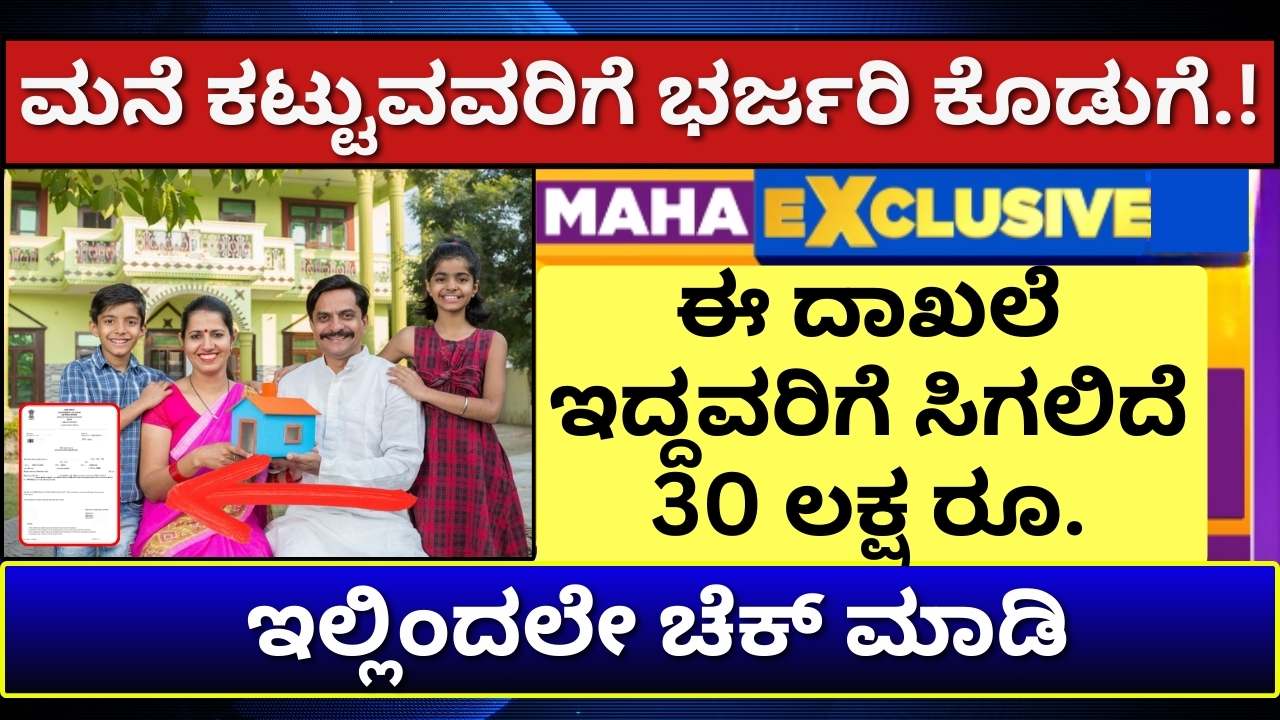
ಮಾಧ್ಯಮದ ವರದಿಯ ಪ್ರಕಾರವಾಗಿ ಪ್ರಧಾನ ಮಂತ್ರಿ ಆವಾಸ್ ಯೋಜನೆಯ ವಿಸ್ತಾರವಾಗಿ ಇನ್ನು ಜಾಸ್ತಿಯಾಗಿದೆ. ಅಂದರೆ ಪ್ರಧಾನ ಮಂತ್ರಿ ಆವಾಸ್ ಯೋಜನೆಯಡಿಯಲ್ಲಿ 35 ಲಕ್ಷ ರೂಪಾಯಿಗಳ ಮನೆಗಳ ನಿರ್ಮಾಣಕ್ಕೆ 30 ಲಕ್ಷ ರೂಪಾಯಿಗಳವರೆಗೆ ಸಬ್ಸಿಡಿಯನ್ನು ಪಡೆದುಕೊಳ್ಳಬಹುದು.
ಉಚಿತ ಚಿಕಿತ್ಸೆ ಪಡಿಬೇಕಾ ಈ ಕಾರ್ಡ್ ಮಾಡಿಸಿಕೊಳ್ಳಿ.! ಯಾವುದೇ ಆಸ್ಪತ್ರೆಗೆ ಹೋದ್ರು ಈ ಸೌಲಭ್ಯ ಲಭ್ಯ
ಸ್ವಂತ ಮನೆ ನಿರ್ಮಾಣ ಮಾಡಿಕೊಳ್ಳುವುದರ ಜೊತೆಗೆ ಉದ್ಯೋಗಾವಕಾಶಗಳು ಕೂಡ ಹೆಚ್ಚಾಗಲಿದೆ. ಅಲ್ಲದೆ ಮನೆ ನಿರ್ಮಾಣಕ್ಕೆ ಬೇಕಾಗುವ ವಸ್ತುಗಳ ಮಾರಾಟ ಖರೀದಿ ಮೊದಲಿಗಿಂತಲೂ ಹೆಚ್ಚಾಗಿದ್ದು ಜನರ ಆರ್ಥಿಕ ಪರಿಸ್ಥಿತಿಯು ಸುಧಾರಣೆಯಾಗಲಿದೆ.
ಗೃಹ ಸಾಲಕ್ಕೆ 30 ಲಕ್ಷ ಸಬ್ಸಿಡಿ
200 ಚದರ್ ಮೀಟರ್ ವಿಸ್ತೀರ್ಣದ ಮನೆ ನಿರ್ಮಾಣ ಮಾಡಿಕೊಳ್ಳುವವರಿಗೆ ಗೃಹ ಸಾಲ ತೆಗೆದುಕೊಂಡರೆ 2.6 ಲಕ್ಷ ರೂಪಾಯಿಗಳ ಬಡ್ಡಿ ವೆಚ್ಚವನ್ನು ಸರ್ಕಾರವೇ ಭರಿಸಲಿದೆ. ಈ ಸಾಲದ ಅವಧಿಯು 20 ವರ್ಷಗಳು ಅಂದರೆ 20 ವರ್ಷಗಳ ಅವಧಿಯಲ್ಲಿ ನೀವು ಗೃಹ ಸಾಲವನ್ನು ಮರುಪಾವತಿ ಮಾಡಿದ್ರೆ ಆಯ್ತು.
ಮೆಟ್ರೋ ಹಾಗೂ ನಾನ್ ಮೆಟ್ರೋ ವಲಯದಲ್ಲಿ ಮನೆ ನಿರ್ಮಾಣ ಮಾಡಿಕೊಳ್ಳುವವರಿಗೆ 35 ಲಕ್ಷ ಮನೆ ನಿರ್ಮಾಣ ಮಾಡಿಕೊಳ್ಳಲು ಸಬ್ಸಿಡಿ ಸಿಗುತ್ತದೆ. ಯಾರಿಗೆ ವಾರ್ಷಿಕ ವರಮಾನವು 18 ಲಕ್ಷ ರೂಪಾಯಿ ಇರುತ್ತದೆಯೋ ಅಂತವರು 12 ಲಕ್ಷ ರೂಪಾಯಿಗಳುವರೆಗೆ ಸಾಲವನ್ನು ಸಹ ಪಡೆಯಬಹುದು.
ಬಡತನ ರೇಖೆಗಿಂತ ಕೆಳಗಿರುವವರು ಮಾತ್ರವಲ್ಲದೆ ಮಧ್ಯಮ ವರ್ಗದವರು ಕೂಡ ಸಬ್ಸಿಡಿ ಯನ್ನು ಪಡೆದುಕೊಳ್ಳಬಹುದು ಗೃಹ ಸಾಲವನ್ನು ತೆಗೆದುಕೊಳ್ಳುವ ಸಮಯದಲ್ಲಿ ಪ್ರಧಾನ ಮಂತ್ರಿ ಆವಾಸ್ ಯೋಜನೆಯ ಅಡಿಯಲ್ಲಿ ಸಾಲ ತೆಗೆದುಕೊಳ್ಳುತ್ತಿರುವ ಬಗ್ಗೆ ಬ್ಯಾಂಕಿಗೆ ತಿಳಿಸಿದರೆ ಅದಕ್ಕೆ ವಿಶೇಷವಾದ ಅರ್ಜಿ ಫಾರ್ಮ್ ಭರ್ತಿ ಮಾಡಿ ಸಬ್ಸಿಡಿ ಹಣಕ್ಕೆ ಅರ್ಜಿ ಹಾಕಬಹುದು ಹಾಗೂ ನಿಮಗೆ ಸಿಗುವ ಸಬ್ಸಿಡಿ ಹಣವನ್ನು ನೇರವಾಗಿ ನಿಮ್ಮ ಖಾತೆಗೆ ವರ್ಗಾವಣೆ ಮಾಡಲಾಗುತ್ತದೆ.
ಇತರೆ ವಿಷಯಗಳು
ರೇಷನ್ ಕಾರ್ಡ್ದಾರರಿಗೆ ಸಂತಸದ ಸುದ್ದಿ.!! ನಿಮ್ಮದಾಗಲಿದೆ ಉಚಿತ ಗ್ಯಾಸ್ ಸ್ಟವ್, ಗ್ಯಾಸ್ ಸಿಲಿಂಡರ್
ಬಿಸಿ ಬಿಸಿ ಸುದ್ದಿ.! ಇನ್ಮುಂದೆ ಯಾವುದೇ ಮುಲಾಜಿಲ್ಲದೆ ಇಂತವರ ರೇಷನ್ ಕಾರ್ಡ್ ರದ್ದು